Pride Book Recommendations
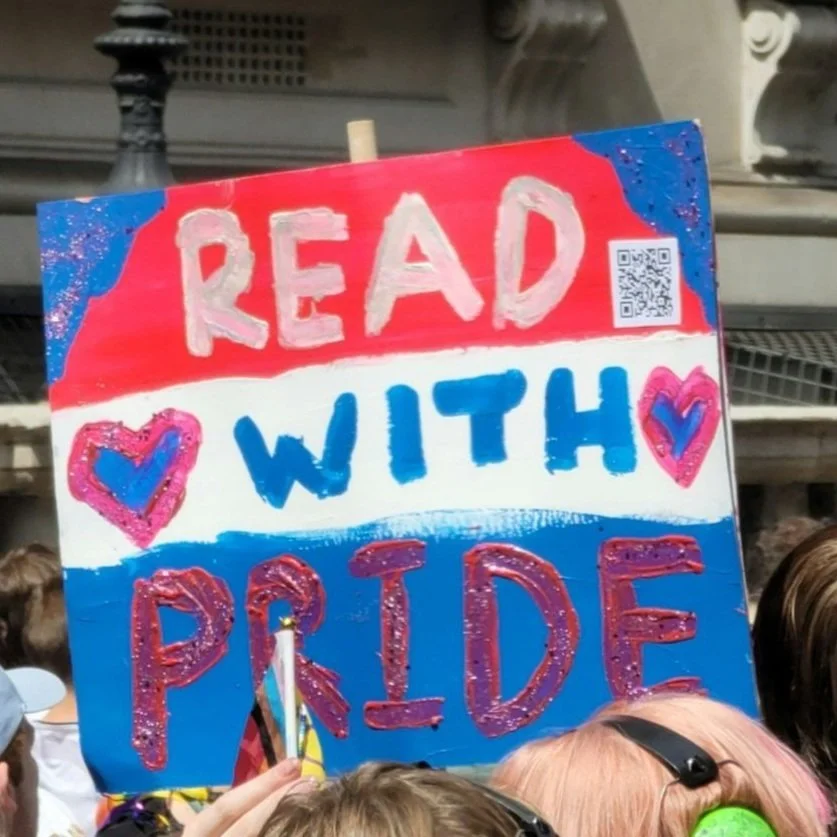
Celebrating Diversity Through LGBTQ+ Stories: A Guide for Parents
Pride Month is a vibrant celebration of LGBTQ+ identities—a time to raise awareness, foster inclusivity, and honor the fight for equality. It’s a joyous celebration of diversity and inclusion, reminding us of the power of acceptance and understanding that we can share daily with our children through books.
This might spark questions for parents with young children. Are these topics too mature? Won’t they confuse them? The answer is absolutely not. LGBTQ+ stories offer a wealth of benefits for all kids, regardless of their own identity. This article explores the importance of exposing children of all ages (from toddlers to teens) to books featuring LGBTQ+ characters, themes, and creators. Whether it’s a picture book showcasing a family with two dads or a middle-grade novel with a non-binary protagonist, these stories foster empathy, understanding, and a celebration of diversity.
Why Representation Matters
Imagine a world where every mirror reflects someone else. This is often the reality for children who don’t see themselves or their families reflected in the stories they read. For LGBTQ+ children, this lack of representation can lead to feelings of isolation and a disconnect from the world around them. Books featuring LGBTQ+ characters provide a powerful counterpoint. For LGBTQ+ children, these books act as mirrors, reflecting their own identities in a positive light. Seeing themselves represented validates their experiences and sends a powerful message: “You are seen. You are valid. You are not alone.” They also offer a window into experiences that may be unfamiliar to those who don’t have experience with LGBTQ+ people, fostering empathy and understanding in all children.

Building Bridges of Understanding
The world is diverse, and children are naturally curious about the differences they encounter. LGBTQ+ books provide a safe and non-threatening space to explore these differences. By reading about same-sex couples raising families, children with non-binary friends, or characters questioning their identities, young readers develop a broader understanding of the world and the beautiful tapestry of human experience. This understanding combats prejudice and promotes acceptance. Children who learn about LGBTQ+ experiences from a young age are more likely to grow into empathetic and inclusive adults.
Validating Identities
For LGBTQ+ children, finding characters who reflect their own experiences can be a lifeline. This validation is crucial for self-esteem and well-being. A young girl questioning her own gender identity might find comfort in a story about a non-binary character who embraces their individuality. This can be a decisive step towards self-acceptance. Even for children who don’t identify as LGBTQ+, seeing diverse families and experiences represented in books normalizes these identities. It teaches them that people and families come in all shapes and sizes and that love is love, regardless of gender or sexual orientation.
Challenging Stereotypes
The media often portrays LGBTQ+ people in stereotypical ways. Books can be a powerful counterpoint. By reading stories featuring diverse characters who are doctors, athletes, teachers, or superheroes, children learn that LGBTQ+ people contribute to society in all sorts of ways, breaking down stereotypes and fostering a more inclusive understanding of these identities. Traditional children’s literature often perpetuates stereotypes, portraying boys as strong and adventurous and girls as nurturing and domestic. LGBTQIA2S+ books challenge these norms, showcasing protagonists who defy gender expectations. This exposure allows children to see a broader range of possibilities, reminding them that they can be whoever they want to be, regardless of gender or societal traditions.
Sparking Important Conversations
Books can be fantastic conversation starters. As you read with your child, stories featuring LGBTQ+ themes can open doors to discussions about gender identity, sexual orientation, and different family structures. These conversations don’t have to be scary. Keep them age-appropriate, focusing on the core message of love and acceptance. A story about a same-sex couple adopting a child might prompt a conversation about different family structures. This open dialogue fosters understanding and celebrates diversity.

Tips for Parents:
Choose books based on your child’s age and interests.
Read together and create a safe space for questions.
Use the book as a springboard for discussions about family, friendship, and identity.
Emphasize the universal themes of love, acceptance, and being true to oneself.
Celebrating Diversity
The LGBTQ+ community is a vibrant tapestry of experiences. Reading books written by or featuring characters from diverse ethnicities, cultures, and backgrounds within the LGBTQ+ spectrum allows children to celebrate this rich diversity. It teaches them that LGBTQ+ identities aren’t monolithic and that there’s beauty in the differences.
The Power of Words and Illustrations
Not only do the stories themselves matter, but so do the authors and illustrators who create them. When children see books written and illustrated by LGBTQ+ creators, it reinforces the message that these voices are critical and deserve to be heard. LGBTQ+ authors and illustrators often bring a unique perspective to their stories, enriching the literary landscape.
Fostering a More Inclusive World
Children who grow up reading stories that celebrate diversity become more accepting adults. They are less likely to judge others based on their sexual orientation or gender identity. This creates a more inclusive world where everyone feels safe and respected, underscoring the transformative power of LGBTQ+ literature in shaping a more tolerant and inclusive society.
Common Concerns Addressed
Is it age-appropriate? Absolutely! There are lovely LGBTQ+-themed books for all ages. Board books with colorful illustrations can introduce the concept of different family structures for toddlers. Picture books can explore themes of friendship and acceptance for young children. As children grow older, middle-grade novels can delve deeper into identity exploration and social issues that confuse them. Not at all. Children are naturally curious about the world. Simple explanations about sexual orientation and gender identity are perfectly appropriate, depending on your child’s age and understanding.
Where do I start? There’s a wealth of excellent resources available! Your local librarian is a fantastic starting point. They can recommend books based on your child’s age and interests. Many online resources also curate lists of children’s books. Look for awards like the Stonewall Book Award or the Lambda Literary Award for exceptional books with LGBTQ+ themes.
Remember, Pride is Every Month
By reading LGBTQ+ stories with your child, you’re not just celebrating Pride Month but nurturing a lifelong love of diversity and inclusion. These stories are for everyone, and their message—acceptance, love, and the importance of being true to yourself—resonates with all children, regardless of their background. So, open a rainbow book today and embark on a journey of understanding and acceptance with your child.
A World of Stories Waiting to be Explored
A wealth of excellent children’s literature is available, from vibrant picture books to captivating young adult novels. Many libraries and bookstores offer curated collections, or you can search online resources for recommendations based on your child’s age and interests. This Pride Month, and every month, commit to including LGBTQ+ books on your child’s bookshelf. Opening these stories opens the door to a world of understanding, acceptance, and celebrating the beautiful diversity that makes us all unique. Remember, stories have the power to shape young minds. Let’s fill their world with stories that reflect the vibrant tapestry of our world, stories where every child can find themselves on the page.